




By Mario Vaghei, General Manager, Aire One Peel Heating & Cooling · Published August 4, 2026 · Facts verified August 4, 2026
In this guide
How a furnace works · How a heat pump works · Head-to-head comparison · Cold-weather performance · Cost difference · Ontario rebates · Dual fuel systems · Which should you choose · FAQ
Short answer
A furnace creates heat by burning natural gas or running electric elements, and it only heats; a heat pump uses electricity to move existing heat from the outdoor air into your home, then reverses in summer to cool it, so one heat pump does the job of a furnace and an air conditioner combined.
In Peel Region the practical difference comes down to your current fuel and your cooling needs. Aire One Peel, a TSSA-registered local installer, sizes both options in a free in-home estimate, with financing and rent-to-own available, whether the answer is a furnace installation or a heat pump.
The honest verdict for Ontario homes
Neither system wins outright in Ontario; the right one depends on what you heat with today and whether your air conditioner is also due. For homes on electric baseboards, oil, or propane, a cold-climate heat pump is usually the clear winner on running cost and rebates. For homes on natural gas, a high-efficiency furnace remains the cheapest heat on the coldest nights, and the strongest all-round setup is often a dual-fuel pairing of the two. The rest of this guide shows the evidence behind that verdict.How a furnace works
A furnace generates its own heat, most commonly by burning natural gas inside a heat exchanger and blowing air across it into your ductwork. Because it makes heat rather than harvesting it, a gas furnace delivers the same strong output whether it is 2°C or minus 30°C outside, which is exactly why it became the default in Ontario. Modern high-efficiency models convert up to 96 to 98 per cent of the fuel they burn into usable heat (96 to 98 per cent AFUE), venting through a sidewall PVC pipe. In Ontario, gas appliance work is regulated by TSSA (Technical Standards and Safety Authority), and installation must be carried out by certified gas technicians working for a TSSA-registered fuels contractor. A furnace heats only; cooling always requires a separate air conditioner.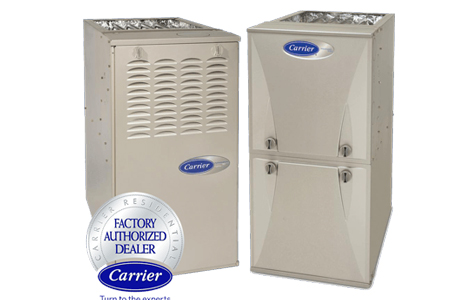
How a heat pump works
A heat pump does not create heat; it moves existing heat from the outdoor air into your home using a refrigeration cycle, like a fridge running in reverse. Because moving heat takes far less energy than making it, a heat pump typically delivers two to four units of heat for every unit of electricity it consumes, where even the best furnace can never exceed one unit of heat per unit of fuel. Flip a valve and the same machine runs backward, pumping heat out of your house in July, so it replaces both the furnace and the central air conditioner. Natural Resources Canada (NRCan) and Energy Star Canada now recognize a distinct cold-climate class of air-source heat pump built for winters like ours, and those are the only kind worth considering in Peel Region.Heat pump vs furnace: the head-to-head heat pump vs furnace comparison
The core difference is that a furnace is a heat maker and a heat pump is a heat mover, and every practical trade-off flows from that. The table below puts the two side by side for an Ontario home.| Factor | Gas furnace | Cold-climate heat pump |
|---|---|---|
| What it does | Heating only | Heating and cooling |
| Energy source | Natural gas or propane | Electricity |
| How it makes warmth | Burns fuel to create heat | Moves outdoor heat indoors |
| Efficiency | 96 to 98 per cent AFUE | 200 to 400 per cent effective |
| Output in deep cold | Unchanged at any temperature | Declines below about minus 25°C |
| Feel of the heat | Hotter, drier air | Milder, steadier air |
| Typical lifespan | 15 to 20 years | 12 to 15 years |
| Runs | Heating season only | Year-round |
Efficiency and lifespan figures reflect Natural Resources Canada guidance and manufacturer specifications for current equipment classes, August 2026.
Cold-weather performance in Peel Region winters
Modern cold-climate heat pumps heat effectively through the large majority of a Peel Region winter, and a gas furnace only pulls clearly ahead during the deepest cold snaps. The older reputation that heat pumps quit in Canadian winters describes the standard units of a decade ago, not the cold-climate class that Energy Star Canada certifies today. Here is what each system is doing across the winter temperature bands Mississauga, Brampton, and Caledon actually see.| Outdoor temperature | Cold-climate heat pump | Gas furnace |
|---|---|---|
| Above 0°C | Peak efficiency, lowest-cost heat | Full output, often oversized |
| 0 to minus 10°C | Strong output, high efficiency | Full output |
| Minus 10 to minus 25°C | Keeps heating, efficiency declines | Full output |
| Below minus 25°C | Backup heat usually engages | Full output |
Behaviour by band reflects cold-climate air-source heat pump ratings recognized by NRCan and Energy Star Canada, August 2026; exact cut-offs vary by model and are confirmed against the manufacturer specification sheet.
These bands apply across Mississauga, Brampton, Etobicoke, Milton, Georgetown, Caledon, and Bolton; older housing stock and home insulation levels shift the final sizing call, which is what the free in-home estimate confirms.The cost difference, in brief
A heat pump costs more upfront than a furnace, but the fair comparison for most buyers is a heat pump against a furnace plus a new air conditioner, because the heat pump replaces both. On that basis, and after Ontario rebates, the gap narrows considerably, while the heat pump goes on to deliver cheaper heat than gas for most of the shoulder season. Deep cost breakdowns belong in their own guide; the summary picture looks like this.| System | Typical installed range | Covers |
|---|---|---|
| High-efficiency gas furnace | $3,500 to $8,500 CAD | Heating only |
| Furnace plus new central AC | $8,000 to $13,000 CAD | Heating and cooling |
| Cold-climate heat pump, before rebates | $13,000 to $20,000 CAD | Heating and cooling |
Prices in Canadian dollars (CAD), typical Ontario market ranges as of August 2026, subject to change; the exact figure for your home is confirmed in a free in-home estimate.
On operating cost, the heat pump’s two-to-four-times efficiency advantage competes against natural gas being a historically cheap fuel in Ontario. Electricity here is billed under Ontario Energy Board regulated plans whose rates reset every November 1, so the running-cost math genuinely shifts year to year; a mild-weather heat pump paired with cheap overnight rates is hard to beat, while a gas furnace stays the cheapest source of brute-force heat on a minus 25°C night.Ontario rebates favour the heat pump
Ontario’s live rebate program, the Home Renovation Savings Program from Enbridge Gas and Save on Energy, pays substantial rebates on cold-climate heat pumps and nothing comparable on a like-for-like gas furnace replacement. How much you can receive depends mostly on what your home heats with today.| Your current heating | Cold-climate heat pump rebate |
|---|---|
| Electric heating | Up to $12,000 CAD |
| Oil, propane, or wood | Up to $7,500 CAD |
| Natural gas | Smaller amount, set by rated capacity |
Rebate figures as of August 2026 from the Home Renovation Savings Program; amounts and eligibility change, confirm on the program page before signing anything.
Before you buy: the program pays out through its own rules on contractor participation and the order of operations, and getting a step wrong can void the rebate. Confirm on the official program page that your installer and your project qualify, and complete any required approval steps before installation begins, not after.
The dual-fuel option: you do not have to pick just one
A dual-fuel or hybrid system pairs a heat pump with a gas furnace and automatically runs whichever is cheaper for the outdoor temperature. The heat pump carries the mild and moderate weather, which is most of the season, and the furnace takes over below a set switchover point for the deep-freeze nights. For a gas-heated Peel home whose air conditioner is also due, this is often the strongest overall answer: you gain efficient heating and cooling in one outdoor unit, keep guaranteed gas backup, and cut your gas use substantially without betting the coldest week of February on electricity.Heat pump vs furnace: which should you choose?
Your current fuel, the state of your air conditioner, and your ductwork decide this more than any brand comparison. Match your situation in the table, then confirm the sizing with a licensed installer.| Your situation | Better fit | Why |
|---|---|---|
| Electric baseboard home | Heat pump | Largest bill savings, largest rebate |
| Oil or propane home | Heat pump | Displaces the priciest fuels |
| Gas home, AC also due | Dual fuel | One outdoor unit, gas backup kept |
| Gas home, newer AC, tight budget | Furnace | Lowest upfront cost, proven heat |
| No ductwork | Ductless heat pump | Heats and cools without ducts |
| Lowest emissions is the goal | Heat pump | Ontario’s grid is largely non-emitting |
Routing reflects the comparison factors in this guide as of August 2026; final equipment selection follows a load calculation on your home.
Choose a furnace if you heat with gas, your air conditioner is newer, and lowest upfront cost matters most; a rent or buy furnace plan can spread even that cost. Choose a heat pump if you heat with electricity, oil, or propane, or your home has no ductwork, where a ductless split system does both jobs. Choose dual fuel if you are on gas and replacing the AC anyway. One honest caveat about working with us: Aire One Peel installs and services all three configurations, so our estimate walks you through the trade-offs rather than pushing one box, but a rental-first company like Reliance may suit you better if zero upfront cost with bundled maintenance is your priority.Furnace or heat pump? A 30-second finder
Three questions, honest answer. Every result also appears in the table above.
What does your home heat with today?
How we know this
Compiled by Mario Vaghei from Natural Resources Canada and Energy Star Canada heat pump guidance, the Home Renovation Savings Program pages, TSSA licensing requirements, and manufacturer specification sheets for the equipment classes named, all checked in August 2026.
Not sure which side of the table your home lands on?
A free in-home estimate sizes both options for your actual house, with financing and rent-to-own available. Aire One Peel Heating & Cooling, 1625 Courtneypark Dr E, Mississauga, ON L5T 1V9.
Heat pump vs furnace: frequently asked questions
What is the difference between a heat pump and a gas furnace?
A gas furnace burns fuel to create heat and can only heat, while a heat pump uses electricity to move heat from the outdoor air into your home and reverses in summer to cool it. One heat pump therefore replaces both a furnace and a central air conditioner, which is the core practical difference for Ontario homeowners weighing the two.Do heat pumps work in cold Ontario winters?
Yes, cold-climate air-source heat pumps heat effectively through most of an Ontario winter, with rated operation down to roughly minus 25°C on current models. Efficiency declines in deep cold, so homes going all-electric include backup heat, and gas homes often pair the heat pump with the furnace as a dual-fuel system for the coldest nights.Is a heat pump cheaper to run than a gas furnace in Ontario?
Usually yes across the full year, because a heat pump delivers two to four units of heat per unit of electricity while also covering your summer cooling. On the coldest days a gas furnace produces heat more cheaply, which is why the answer for gas-heated Peel homes is often both, run as a dual-fuel system, rather than one or the other.Can a heat pump replace a furnace in Ontario?
Yes, a properly sized cold-climate heat pump with backup heat can fully replace a furnace in Ontario, and electrically heated homes gain the most from making that switch. For homes with cheap natural gas service, keeping the furnace as the backup half of a dual-fuel system is often the more economical path than removing it outright.What is a dual fuel or hybrid heating system?
A dual-fuel system pairs a heat pump with a gas furnace and automatically switches between them based on outdoor temperature. The heat pump handles mild and moderate weather, where it is cheapest, and the furnace takes over below a set switchover point. You cut gas use for most of the season while keeping guaranteed backup for the deep freezes.Which lasts longer, a heat pump or a furnace?
A gas furnace typically lasts 15 to 20 years while a heat pump typically lasts 12 to 15 years, mainly because the heat pump runs year-round for both heating and cooling. Annual maintenance extends either lifespan; Aire One Peel services both under its protection and maintenance plans, and 24/7 emergency service covers unexpected failures.Final verdict
The difference between a heat pump and a furnace is heat moved versus heat made, and in Ontario that translates into a clear routing: heat pumps for electric, oil, propane, and ductless homes, furnaces for gas homes prioritizing upfront cost, and dual-fuel for gas homes replacing the air conditioner anyway. Whichever way your home points, the next step is the same free in-home estimate, whether that leads to a heat pump installation or a furnace installation in Mississauga.Sources and references
Natural Resources Canada, heating with a heat pump and Energy Star Canada guidance Home Renovation Savings Program, Enbridge Gas and Save on Energy Enbridge Gas, residential rebates and natural gas information Technical Standards and Safety Authority (TSSA), fuels contractor and gas technician requirements Ontario Energy Board, regulated electricity price plans
Mario Vaghei
General Manager, Aire One Peel Heating & Cooling
Mario compiled this comparison from Natural Resources Canada and Energy Star Canada heat pump guidance, the Home Renovation Savings Program pages, TSSA requirements, and manufacturer specification sheets, verified in August 2026.