


Choosing a water heater starts with the home, not a product label. The right system should match how much hot water your household uses, the utility connections available at the property, the space where the equipment will be installed, and the applicable installation requirements. A water heater that is too small can leave the household short of hot water during busy periods, while an unsuitable installation can create service, venting, or safety problems later.
Estimate your household’s hot-water demand
Think about when your household uses hot water at the same time. Showers, baths, laundry, dishwashing, and multiple occupants can create a peak-demand period that is different from everyday average use. A technician can review the number of bathrooms, occupants, fixtures, and usage patterns to help determine an appropriate configuration. Do not select a system based only on the size of the previous unit; the household and the home may have changed since it was installed.
Compare storage-tank and tankless approaches
Conventional storage water heaters keep a supply of heated water ready for use. Tankless water heaters heat water as it is needed. Neither approach is automatically better for every home. The best fit depends on demand, installation conditions, fuel or electrical capacity, preferred maintenance approach, and the exact equipment options available.
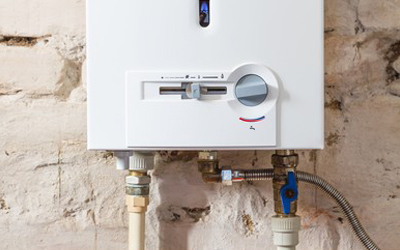
Tankless equipment can require different venting, gas, electrical, drainage, or space planning than a conventional tank. A professional site review helps confirm whether a proposed system is suitable before you make a purchase decision. To learn more about this equipment category, see our tankless water heater information.
Confirm fuel, power and venting requirements
Water heaters may use natural gas, electricity, or another compatible energy source, depending on the home and the product. The installation must account for the actual utility service, the location of the equipment, combustion-air and venting needs where applicable, electrical capacity, drainage, and safe access for future service. These details should be assessed before a final recommendation or quote is accepted.
Gas and electrical work should be completed by appropriately qualified professionals. Do not modify fuel lines, venting, wiring, or safety controls yourself. If an existing water heater shows a gas odour, a significant leak, unsafe operation, or another urgent concern, arrange qualified service rather than delaying for a product comparison.
Review the installation location
The equipment location affects more than appearance. Confirm that the unit will have adequate clearance, a safe drainage approach, accessible shutoffs, and room for inspection and maintenance. Ask how the old unit will be removed, whether any changes to venting or connections are required, and what work may be needed to bring the installation into line with applicable requirements.
Compare total ownership information
Once the equipment and installation scope are clear, compare the full written information for the options being considered. That may include the equipment specification, installation work, warranty documentation, maintenance expectations, and available payment arrangements. For a neutral explanation of rental and purchase contracts, read our rent-versus-buy water heater checklist.
Use product documentation and the written proposal to compare like with like. If two recommendations are different in capacity, installation work, venting, or warranty coverage, their prices alone are not directly comparable.
Ask these questions before deciding
- What capacity or flow configuration matches my household’s peak hot-water use?
- Is the proposed model compatible with my home’s fuel, electrical, venting, and drainage conditions?
- What installation work, permits, and safety checks are included in the written scope?
- What maintenance and warranty documents should I keep after installation?
- Who should I contact if I notice a leak, an error message, or a change in hot-water performance?
Choose equipment with a clear scope of work
This guide is designed for equipment selection. If your current unit needs diagnosis before you can decide, start with our water heater repair-or-replacement guide. Homeowners ready to discuss suitable equipment and current purchase or financing arrangements can visit Aire One Peel’s water-heater options page. A clear assessment and a written installation scope make it easier to choose a system that works for the home you have.