


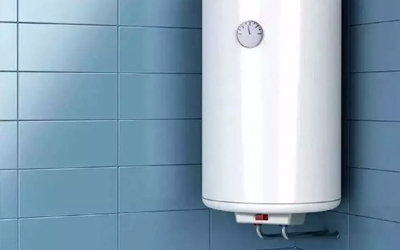
When a water heater leaks, stops producing enough hot water, or begins making unfamiliar noises, the first question is usually whether it should be repaired or replaced. The right answer depends on the specific fault and the condition of the system. A qualified diagnosis is more useful than deciding by age alone, because a relatively new unit can have a repairable issue while an older tank may have damage that makes replacement the safer, more practical path.
Start with a professional diagnosis
Water heaters can involve fuel, electricity, hot water, pressure, venting, and safety controls. A technician can identify where the issue is occurring and explain the available options. Before authorizing work, ask what component or condition caused the problem, whether a repair is appropriate, what the repair addresses, and whether there are visible signs that the system may need replacement soon.
If you smell gas, a carbon-monoxide alarm sounds, there is a significant leak, or the system appears unsafe, follow applicable emergency safety guidance and seek qualified help promptly. Do not attempt gas, electrical, or sealed-system repairs yourself.
When repair may be a sensible option
A repair can be appropriate when the problem is isolated and the overall water heater is in serviceable condition. Examples may include an accessible control issue, a connection leak, a valve concern, an ignition-related problem, or another replaceable component. The condition of the tank or heat exchanger, maintenance history, availability of parts, and the cost of the repair all matter.
A repair recommendation should include clear information about the scope of the work and what it is expected to resolve. If the same problem returns repeatedly or related issues emerge, it is reasonable to ask for an updated assessment before approving another repair.
When replacement may be the better path
Replacement is often worth discussing when the tank itself is leaking or badly corroded, when a major component failure is paired with other condition issues, when repairs are becoming frequent, or when the system no longer meets the household’s hot-water needs. Replacement can also make sense when the existing configuration is unsuitable for a renovation or a change in household size.
No single age number decides the outcome. Model design, water conditions, installation quality, maintenance, fuel type, and prior repairs can all affect a water heater’s condition. A technician should inspect the equipment and explain the trade-offs before you decide.
Questions to ask before choosing
- What is the confirmed cause of the problem? A symptom such as no hot water can have several possible causes.
- Is the tank or main unit structurally sound? A tank-body leak is different from a leak at a valve or connection.
- What does the repair include? Ask what part is being addressed and whether other concerns were found.
- What replacement options fit the home? Consider available space, fuel or electrical setup, hot-water demand, venting, and installation requirements.
- How will the change affect future service? Discuss manufacturer care guidance, access for maintenance, and warranty documentation.
Choose the right next page for your situation
This guide is for the repair-versus-replacement decision. If you already know that you need a diagnosis or a repair appointment, visit our water heater repair service page. If you have a conventional tank and are dealing with tank-specific symptoms, see our hot water tank repair information. Homeowners considering a different water-heating setup can review tankless water heater options or explore water-heater purchase and financing options.
Prepare for a service visit
Note when the problem began, whether it is constant or intermittent, and any visible signs such as water around the unit, error messages, temperature changes, or unusual sounds. Keep the area around the water heater accessible and remove stored items that could prevent safe inspection. If you have the model number and prior service information, have it available for the technician.
Make a decision based on your home
The best choice is the one that addresses the actual condition of your equipment and the needs of your household. A clear explanation of the diagnosis, repair scope, replacement alternatives, and safety considerations helps you decide with confidence. For help assessing a water-heater concern in Peel Region, contact Aire One Peel to arrange professional guidance.